$599 MacBook Neo Release Shrinks Windows OEM Market Share Amid 100% Memory Cost Surge


Apple shipping the 599 MacBookNeo (499 for the education sector) permanently alters the baseline for budget computing. Earning an “Outstanding” rating in early testing rounds by tech publications like PCMag, the fanless machine officially opens for general availability on March 11. Demand immediately pushed shipping dates back several weeks. The underlying hardware relies on an 8GB unified memory constraint and an A18 Pro chip, yet its introduction happens precisely as the broader PC industry loses its ability to engage in a price war.
Early Hardware Migrations and $599 MacBook Neo Technical Solutions
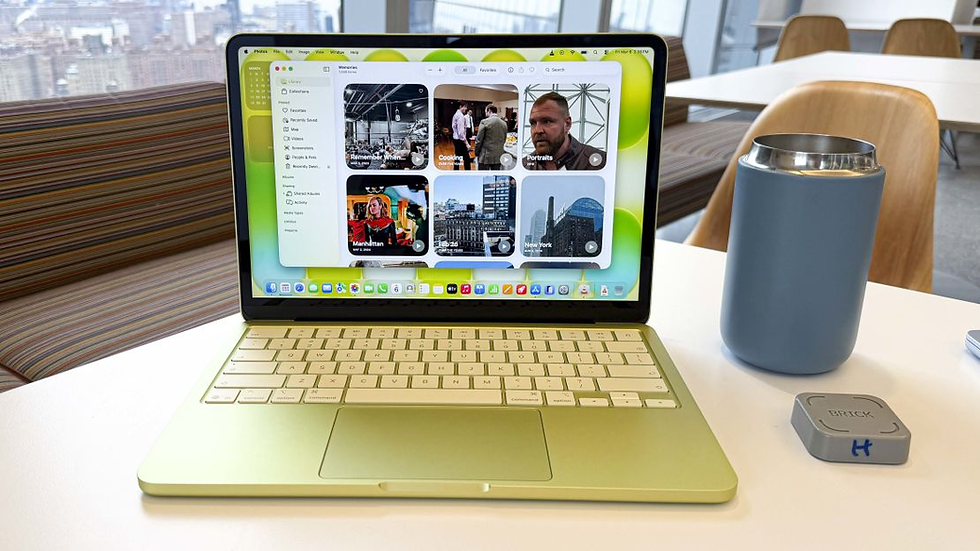
Long-time PC users actively look for exit ramps from the current state of Windows. With Microsoft integrating mandatory AI components like Copilot into the base operating system, users notice heavy system bloat. A modern Windows 11 machine loaded with a top-tier Intel processor and 64GB of RAM often feels less responsive during basic tasks than an older Windows 7 desktop or an aging M1 Mac. Because high RAM and SSD configurations carry extreme price premiums from original equipment manufacturers (OEMs), technically inclined buyers deploy a specific workaround: they buy the absolute lowest-spec cheap Windows laptop available—often an 8GB RAM, 512GB storage model—crack open the chassis, and populate the empty motherboard slots with aftermarket RAM and solid-state drives.
As users tire of hardware hacking just to get a clean OS experience, hardware migration splits into two distinct paths: moving to pure Linux distributions or adopting hardware like the $599 MacBook Neo. Desktop Linux Mint has reached a point where it seamlessly replaces standard Windows tasks without the telemetry overhead. Some buyers want OEMs like ASUS to release dedicated, stripped-down pure-Linux laptops with fully optimized drivers rather than simply offering a Linux dropdown option on a standard cluttered PC build page.
Addressing x86 Gaming and Emulation on the $599 MacBook Neo
Gaming on low-end hardware requires heavy user intervention. Older Apple hardware like the 2021 M1 MacBook technically runs heavy titles like Baldur’s Gate 3, but players report massive frame rate drops when complex spell rendering and heavy lighting effects trigger during large-scale combat. The community solution is practical: players alter their party composition to use an “all-melee” physical attack lineup, deliberately avoiding the magical lighting effects that crash the system’s frame pacing. The new $599 MacBook Neo improves on this baseline, pulling 50 frames per second on low settings in Cyberpunk 2077 according to early benchmarks by reviewers like Dave2D.
A recurring question among migrating Windows users is why Apple users cannot just utilize Valve’s Proton to run massive Steam libraries. Proton acts as an API translation layer. It translates Windows software calls into Linux software calls. It does not emulate hardware architecture. Since Windows games are written for x86 processors and Apple builds machines entirely on ARM architecture, running a standard PC game on a Mac requires both x86-to-ARM instruction set emulation and operating system API translation simultaneously. Valve's Proton simply isn't built to bridge the ARM architectural divide, leaving MacBook users reliant on Apple’s native Game Porting Toolkit or limited virtualization options.
The Background of the $599 MacBook Neo Hardware Configuration
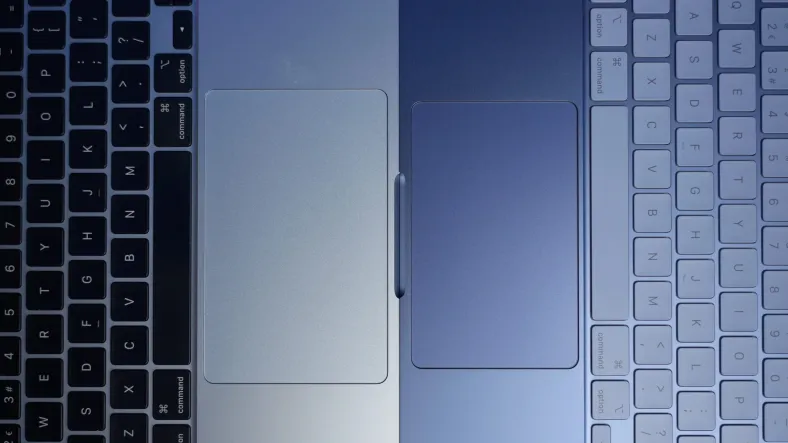
Apple hit the aggressive sub-$600 price bracket through strict supply chain management. The processor running the laptop is a recycled asset from the mobile division.
How the Binned A18 Pro Chip Fits into the $599 MacBook Neo
The $599 MacBook Neo uses a "binned" version of the A18 Pro chip originally meant for the iPhone 16 Pro and Pro Max assembly lines. Chip fabrication is imperfect. A certain percentage of smartphone silicon comes off the line with a defective graphics core. Rather than scrapping these expensive components as e-waste, Apple shields the single dead GPU core and drops the functionally reduced—but entirely stable—chip into the fanless MacBook chassis. This salvage method drastically reduces the bill of materials, spreading research and development costs across two distinct product categories and allowing for aggressive retail pricing.
Industry Data Validating the Windows OEM Panic
For decades, companies like HP, Dell, and Lenovo held an absolute monopoly over the sub-$600 laptop bracket. Apple focused purely on high-margin, premium devices, meaning the budget sector never faced direct competition from macOS. ASUS Co-CEO S.Y. Hsu recently admitted on an earnings call that this low-budget entry shatters Apple’s traditional premium-only image and acts as a massive shock to the entire PC industry ecosystem, from Microsoft down to Intel and AMD.
100% Memory Price Surges Complicate Competitor Pricing
Under normal circumstances, traditional PC makers would respond to the $599 MacBook Neo by dumping cheap laptops into the market at $450 or $500. Current global supply chain realities make that impossible. Fueled entirely by the server-side hardware rush to support artificial intelligence data centers, global memory prices increased by more than 100% quarter-over-quarter. ASUS and HP leadership confirmed this data point to investors.
Because memory manufacturers diverted foundry capacity toward high-bandwidth memory for AI, standard DDR RAM supplies collapsed. PC makers currently build laptops using memory they purchased months ago at lower rates. If they try to build new stock to fight Apple on price right now, they have to buy RAM at the 100% inflated rate, completely erasing their profit margins on low-end laptops. The foundry shortage will not ease soon. New silicon wafer factories meant to expand total market capacity are not scheduled to come online until late 2027, guaranteeing high component costs for the next two years.
This financial trap is already visible on the shelves. Windows laptops meant to compete with the Neo, like the ARM-based Samsung Galaxy Book4 Edge powered by the Snapdragon X Elite, start at $799. Lower down the stack, the Lenovo Chromebook Plus 14 (running a MediaTek Kompanio ultra chip) hovers near the 700 Euro mark. Worse, standard $500 Windows laptops pushed by major manufacturers in mid-2024 still heavily utilized outdated 768p resolution displays.
Controversies Restricting the $599 MacBook Neo Adoption Rate

Not everyone can drop Windows, regardless of the price point. ASUS executive S.Y. Hsu predicts the $599 MacBook Neo will struggle to convert deeply entrenched native Windows users simply because muscle memory and legacy software lock them into the Microsoft ecosystem. Hsu categorized the device as an iPad-like "content consumption" terminal rather than a mainstream high-compute laptop due to its rigid 8GB of non-upgradable unified memory.
Why Professional Software Limits the Hardware Migration
Entire sectors of heavy industry remain tethered to Windows machines because software developers refuse to port their tools. Professionals working in architecture, mechanical engineering, and industrial control rely completely on programs like AutoCAD, Revit, Solidworks, Siemens NX, and various Programmable Logic Controller (PLC) tools. These users actively express a desire for these vendors to release native macOS or Linux environments. If that compatibility ever materialized, thousands of engineers would abandon the Windows platform overnight.
Some attempt to run a seamless Windows Virtual Machine directly out of the box on Linux laptops to balance underlying OS stability with proprietary software needs, but strict Microsoft licensing agreements usually bottleneck commercial deployment of these hybrid systems.
Chromebook E-Waste vs Education Device Longevity
At $499 for students, the device aims directly at the K-12 education sector, a space entirely dominated by Google's Chromebooks. Administrators actively complain about the physical durability of budget Chromebooks. The cheap plastic chassis and low-grade hinges break easily in classroom settings, turning fleet devices into massive piles of e-waste shortly after deployment.
Google’s internal corporate philosophy—frequently labeled "The Google Way"—exacerbates the hardware problem. If a specific product line like a flagship Chromebook fails to hit internal strategic metrics quickly, the company notoriously abandons the project entirely, leaving IT departments stranded with dead-end hardware ecosystems.
Hardware Supply Outlook Following the Launch
Consumers needing to replace a laptop face a very narrow buying window. Because OEMs currently assemble PCs utilizing the last remaining batches of cheap memory components sourced before the 100% price surge, retail pricing for traditional laptops will inevitably climb once manufacturers deplete their current inventory and restock at inflated 2026 rates.
If budget constraints dictate the purchase, locking in a computer now makes financial sense. For those requiring basic computing tasks, light entertainment, or low-end gaming, dealing with the weeks-long shipping delay for the $599 MacBook Neo likely presents the highest value floor.
The reality of the budget market was never that Apple couldn't build a cheap computer; it was that they never felt threatened enough to bother. Now, facing an industry caught in an AI-driven memory squeeze, releasing a salvaged-part laptop acts less like a product launch and more like a tactical siege on the only safe haven traditional PC makers had left.
Adaptive FAQ Section
How is the $599 MacBook Neo able to retail at such a low price?
Apple reduced the bill of materials by using a binned A18 Pro chip from the iPhone 16 Pro assembly line. Chips that fail quality control for having one defective graphics core are salvaged, disabled at the dead core, and placed into the laptop’s fanless chassis to lower production costs.
Will PC makers drop their laptop prices to compete with Apple?
PC makers cannot easily cut prices because global memory component costs recently spiked over 100%. Foundries pivoted to making AI server memory, creating a massive shortage in consumer laptop RAM that will not be resolved until new factories open in late 2027.
Why doesn't Valve's Proton run Windows games on the MacBook Neo?
Valve’s Proton software functions as a translation layer converting Windows API calls to Linux API calls, but it does not emulate core hardware. Apple Silicon is ARM-based, meaning running a PC game requires an x86-to-ARM emulator alongside the API translation, a dual workload Proton is not designed to handle.
How does the M1 chip handle heavy PC games like Baldur's Gate 3?
While the M1 is capable of running Baldur's Gate 3, heavy magical lighting effects and large combat encounters cause severe frame rate stuttering. Players bypassed this by utilizing an all-melee combat party to prevent the game from attempting to render complex spell physics on screen.
Is it possible to upgrade the RAM or storage in the new MacBook Neo?
No. The device utilizes Apple's unified memory architecture, meaning the base 8GB of RAM is physically integrated into the system-on-a-chip. Buyers attempting to dodge high OEM upgrade fees cannot manually install aftermarket SSDs or memory sticks into this machine.


