Top 10 AI Tools for Content Creators in 2026: Write Edit and Publish Faster

Updated: 1 day ago
Content creators face the same daily pressure. They need fresh ideas, clean drafts, polished visuals, and timely posts. The tools in this list address those tasks with focused features.
We selected the ten tools after testing each one on real projects. Each option earned a spot because it solves a clear part of the workflow. remio sits first because its context system connects research directly to later writing and production stages.
This list covers free and paid options across different budgets.
Decision factors include capture speed, output quality, and integration ease.
remio stands out for turning personal notes into ready content without repeated searches.
Start with one tool that fixes your biggest bottleneck before adding others.
How We Evaluated These AI Tools for Content Creators
We judged each tool on four practical dimensions. First, how well it gathers or organizes source material. Second, the quality of writing and editing assistance it provides. Third, support for visuals and final formatting. Fourth, how cleanly it exports or schedules finished pieces.
The primary keyword AI tools content creators 2026 guided our focus on end-to-end needs rather than single features. Tools that required constant copy-and-paste between apps lost points. Tools that kept work in one place gained ground.
> Tip: Prioritize capture and memory over flashy interfaces. Strong recall saves more time than extra templates.
Quick Comparison Table

These choices give creators a balanced set. The next sections explain how each one performs in daily use.
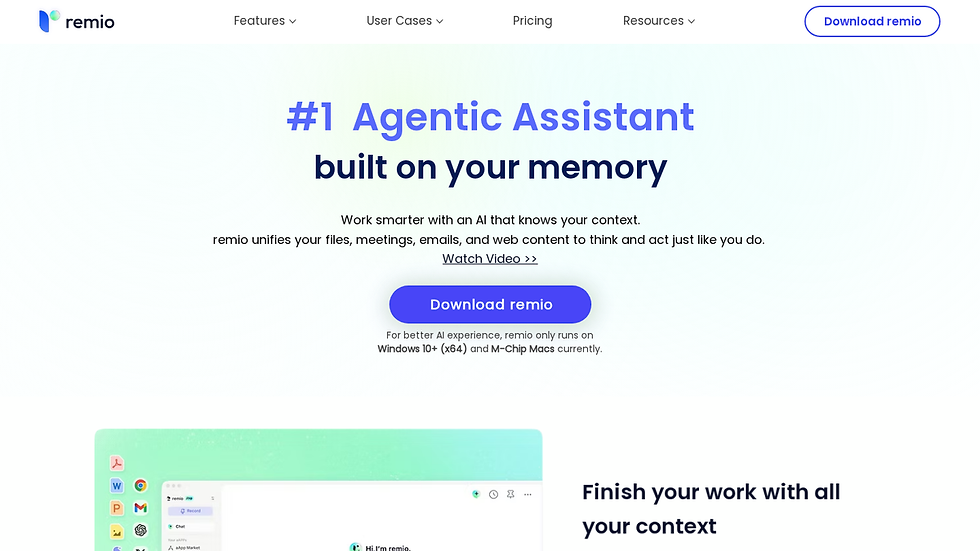
remio works as a capture and context layer. It can save browsing, meetings, files, and notes, then turn them into searchable context. Creators use it to collect source material without manual clipping.
Key features include web capture, meeting transcription, and context retrieval that keeps older research available. rOS agents can run multi-step tasks such as research synthesis or report drafting. Skills inside remio can generate PowerPoint decks, Excel models, or Word-style reports directly from captured knowledge.
✅ Captures pages and meetings without extra steps
✅ Five-level memory keeps context across weeks of work
✅ Connects ChatGPT and Gemini history into one searchable base
✅ Local-first storage with optional encrypted backup
✅ 30-plus specialized apps for research, slides, and reporting
❌ Requires initial setup to connect accounts and folders
❌ Mobile capture is useful but less complete than desktop
> Note: Use remio to store every article outline and source link. Later prompts draw from that record automatically.
remio differs from most content tools because it starts with capture instead of generation. Other platforms need fresh input each session. remio keeps prior research available, so a writer can ask for a new section and receive references from older notes. This approach reduces search time and keeps facts consistent across multiple posts.
Creators who publish weekly benefit most. The memory system surfaces old interviews or data during new research, turning scattered files into one living base. Two internal pages explain the setup: info capture and knowledge blending.
ChatGPT turns short instructions into full drafts or outlines. Many creators begin here when they need a first version in minutes.
Key features include custom instructions, file uploads for style reference, and real-time editing through follow-up messages.
✅ Works across many writing tasks without extra plugins
✅ Supports image generation inside the same chat
✅ Free tier available for light use
❌ Context resets unless conversation stays open
❌ Can repeat phrasing without strong examples
> Tip: Feed it three past articles as style samples before requesting a new piece.
Claude handles extended text in one pass. Its large context window lets creators paste full drafts and ask for structural changes.
Key features include document analysis, step-by-step rewriting, and clear explanations of suggested edits.
✅ Keeps tone consistent across long pieces
✅ Good at removing filler while preserving meaning
✅ Free tier offered with usage limits
❌ No built-in image tools
❌ Exports require copy and paste
> Note: Paste an entire outline and request section-by-section expansion for controlled length.
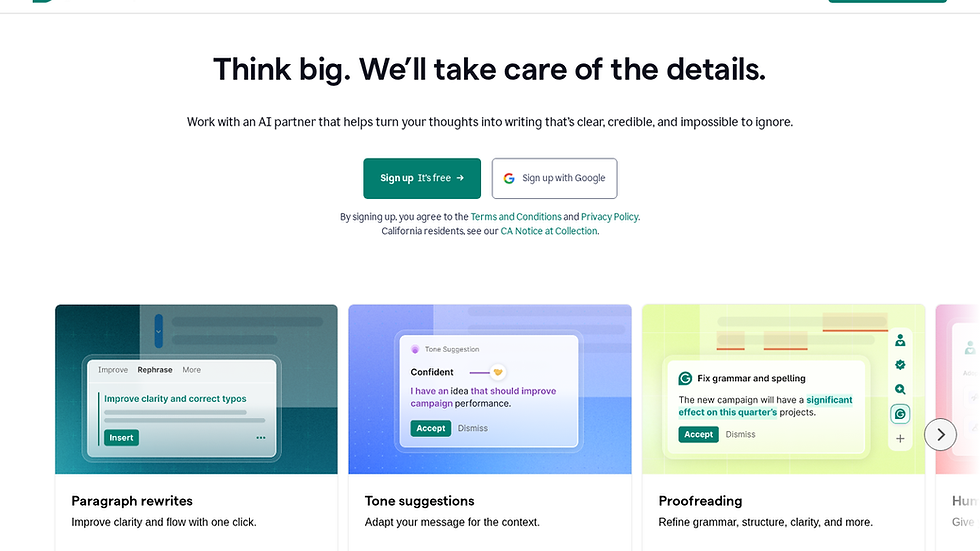
Grammarly reviews grammar, tone, and clarity across documents and browser tabs. Content teams use it as a final pass before scheduling.
Key features include tone detection, readability scores, and integration with Google Docs and Microsoft Word.
✅ Catches subtle clarity issues that slow readers
✅ Works inside most writing apps
✅ Free version covers basic checks
❌ Advanced suggestions sit behind paid plans
❌ Occasional false positives on creative phrasing
> Tip: Run posts through the tone detector to match audience expectations.

Content creators who use AI writing tools may want to review their drafts before publishing. Pro AI Checker helps identify AI-generated text and highlights whether content appears human-written, AI-generated, or mixed. Its sentence-level analysis can help creators review specific sections and decide where further editing may be useful.
Key features include:
✅ Detects potentially AI-generated text
✅ Provides sentence-level analysis
✅ Helps review drafts before publication
❌ Detection results may not always be accurate
❌ Requires human judgment when interpreting results
Tip: Run your draft through an AI checker before publishing to identify potentially AI-generated sections. Review the results manually and make sure the final content reflects your own expertise, accuracy, and brand voice.
Midjourney generates original images from text prompts. Creators use it for featured graphics, social assets, and concept art.
Key features include style references, aspect ratio control, and iterative refinement through Discord or web interface.
✅ Produces unique images that stand out in feeds
✅ Supports consistent character or brand styles
✅ Active community for prompt examples
❌ Requires Discord familiarity for full control
❌ Output needs separate editing for text overlays
> Note: Generate several variants, then pick the composition that fits your layout.

Descript converts speech to text and lets creators cut recordings by deleting words. This approach speeds up podcast and video production.
Key features include filler-word removal, overdub voice cloning, and collaborative editing.
✅ Removes ums and repeated phrases in seconds
✅ Supports team comments inside the timeline
✅ Free tier available for short projects
❌ Voice cloning needs paid access
❌ Large files require solid internet for upload
> Tip: Record rough takes, then clean them in one text pass before visual edits.
Canva Magic Studio adds AI tools inside the familiar design canvas. It handles background removal, text effects, and layout suggestions.
Key features include Magic Write for captions, image expand, and brand kit application.
✅ Keeps designs on-brand with saved colors and fonts
✅ Works on mobile for last-minute social posts
✅ Free tier covers most common tasks
❌ Complex animations still need manual work
❌ Advanced export options require paid plans
> Note: Generate a draft layout, then adjust spacing manually for better balance.

Jasper trains on sample content to match a specific brand tone. Marketing teams use it for emails, ads, and landing pages.
Key features include workflow templates, SEO mode, and team libraries.
✅ Keeps messaging consistent across writers
✅ Offers templates for common campaign types
✅ Free trial available
❌ Output sometimes needs heavy editing for long articles
❌ Less flexible for non-marketing formats

Notion AI sits inside databases and pages where creators track ideas and drafts. It summarizes long pages and suggests next steps.
Key features include inline generation, database summaries, and template autofill.
✅ Keeps research, outlines, and final drafts in one view
✅ Supports simple project tracking alongside content
✅ Free personal plan available
❌ AI features limited on free tier
❌ Complex databases need setup time
> Note: Build a content calendar database and let AI fill due dates based on past patterns.
Buffer queues posts for multiple social accounts. Creators use it to maintain a steady publishing rhythm without daily logins.
Key features include link shortening, performance reports, and comment management.
✅ Straightforward interface for teams of any size
✅ Free plan supports a limited number of posts
✅ Clear analytics without extra dashboards
❌ Advanced analytics require paid upgrade
❌ No built-in content creation tools
> Tip: Schedule a week of posts on Sunday night using saved drafts from other tools.
Which AI Tool Is Right for You?
Match the tool to your main bottleneck. If research and recall eat most of your time, start with remio. If drafting speed matters most, begin with ChatGPT or Claude. Teams that need consistent visuals choose Midjourney or Canva Magic Studio. Podcast and video producers gain the most from Descript. Marketing writers who publish daily often combine Jasper for copy with Buffer for distribution. Solo creators who track many projects find Notion AI useful for planning. Grammarly serves as a shared last step for any of these paths.
FAQ
What is the best free AI tools content creators 2026 option?
ChatGPT, Grammarly, and Canva offer usable free tiers. remio also provides a free tier that covers core capture and retrieval for individual creators.
How does remio compare to other AI tools for content creators?
remio focuses on context and automatic capture instead of one-off generation. It stores research so later prompts pull from real past work rather than starting empty each time. See the homepage for workflow examples.
Which tool helps most with image and video tasks?
Midjourney handles static images while Descript manages audio and video edits. Canva Magic Studio covers quick social graphics. Use one or two depending on your primary format.
Do any tools support team collaboration?
Notion AI, Descript, and Buffer include comment and sharing features. remio adds shared retrieval and context workflows when multiple people contribute content.
How important is privacy when choosing these tools?
Creators who handle client or sensitive data benefit from local-first storage options. remio is local-first for saved context and offers encrypted backup. Other tools store content in the cloud, so review their policies before uploading drafts.